Wiser Web Wednesday

Wiser Web Wednesday – a semi-regular link to posts of interest from around the web, by those far wiser than myself:


Goulet Pens Blog
Your mileage will vary with certain fountain pen inks, depending on the pen, nib and paper, and I’m sure we all have our favourites.

If you are looking for a starting point as far as “wetter” or “drier” inks are concerned, the Goulet Pens blog has you covered:
Top 10 Wet and Dry Inks


The Gentleman Stationer
More on the ink front, as Joe looks at some most suitable for marking up documents or writing. Of course the obvious answer: “all of them” probably isn’t 100% accurate.

For me, it can be as simple as lighter blue against the black of printed documents when a conservative approach is required, running to vibrant green and orange (like Joe) when I can, particularly for a contrast to my handwritten words during editing.

Either way, we no doubt all have our preferred approach. Here, Joe’s recommendations are on point as always:
Best Fountain Pen Inks for Editing and Annotation


Three Staples
Another of Matt’s guest posts has piqued my interest — this time a ballpoint, in the form of the Pilot Fumi Raku, a pen I have never heard of.

Like Matt, I do find the design compelling, yet as suggested in the post, it is a ballpoint — not that there is anything wrong with that! Simply perhaps a “con” on the balance sheet when weighing up value for the price point.

Either way, another great review:
Pilot Fumi Raku Touki Ballpoint Pen

Oh and I’m sure the Fumi Raku would write extremely well in a DIY’d mini Field Notes notebook. Complete with three staples and all.

Nice one Jinnie:
Field Notes DIY: Mini HELLO Memo Books


Fountain Pen Follies
A great review of a similarly great-looking pen case from Kaweco, suitable for the Sport range of pens from the same manufacturer.

I get the feeling that the Traveller case has been designed by people who use and care about fountain pens

A solution for the common occurrence of your Kaweco Sports swimming around or being lost down the slots of a standard pen case?

It appears so:
Pen Case Review: Kaweco Traveller Case


Pens! Paper! Pencils!
Interesting. I’m not sure what else I’d say about this pen (to be fair of course I’ve never had one in my hand). Probably best left to someone who has then:

I just don’t quite get it. I don’t think the extension piece is a gimmick: Kaweco’s a small company and I think they make products that they like to use themselves. Someone at Kaweco loves this pen, I’m sure

On face value I’d have to agree with Ian. That said, hats off to manufacturers who at least give something different a try. The Sport range from Kaweco isn’t exactly your standard pen, and look at the popularity of that line.

This time though I might wait for whatever may come next:
Kaweco Supra Fountain Pen Review


Brewing Coffee Manually
I’d not heard of the Kalita Kantan portable coffee brewer to this point.

The Kalita Kantan is a 3.5 inch by 4 inch disposable pour-over brewer made of cardboard and an attached filter. They are sold in packs of thirty and are completely flat prior to folding for use

A nifty little device which might come in handy when your luggage space is tighter than you’d like, or perhaps if you prefer a drip filter rather than the immersion style brew of that perennial traveller the AeroPress.

Definitely a great option to consider when next brewing on the go — and the handy brew guide in this post will get you started:
How to Brew with the Kalita Kantan


Barista Magazine Blog
Although not knowledgeable enough on the subject to have an opinion either way myself, those in the industry often have their preference on the conical vs flat burr grinder debate.

While there was a lot of variation, most people gravitated towards the lighter roasted coffee on the conical burr grinder. However, there was a fair amount of disagreement and many people voted for the other three options as their favorite brew

An experiment like this probably tells us there are far more variables impacting taste in coffee than the type of burrs in the grinder.

When we are talking the lower end home consumer market there isn’t a lot of choice, where you will find mostly conical burrs, and as we’ve seen above, this probably doesn’t matter too much.

One thing to remember though at the lower end — burrs please, definitely not blades:
Conical Versus Flat Burrs? Tasters Decide in Compak Workshop


Perfect Daily Grind
Fifth generation coffee farmer Juan Alfredo Pacas, with some insights into coffee, and the importance of continued learning.

The most important thing that a consumer can know is the amount of hands that have touched the coffee that they are having in their coffee shop.

As the quote above would suggest, a little learning on the part of the consumer is arguably some of the most important of all:
Producer Opinion: Why I Always Want to Learn More About Coffee

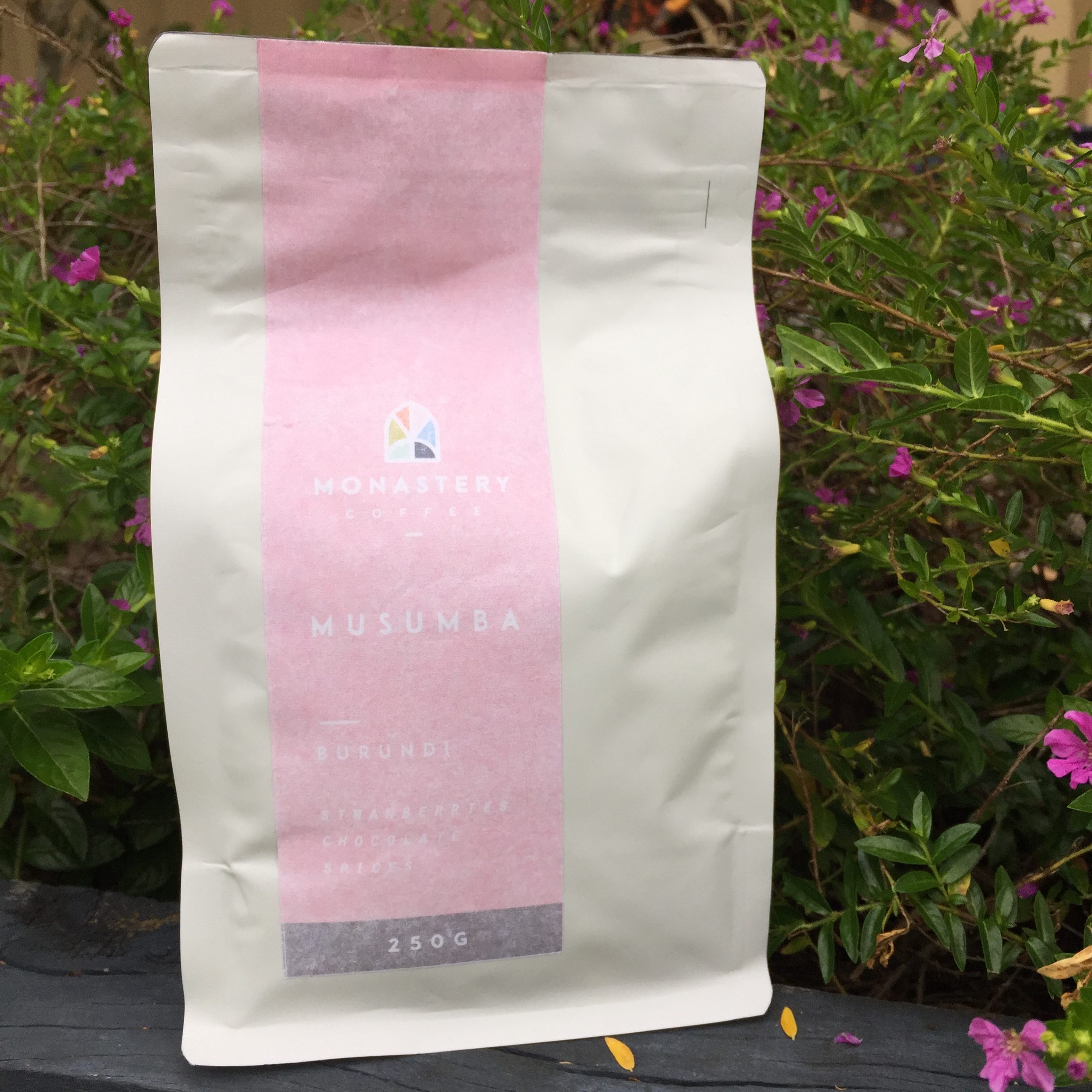
What’s Brewing: Burundi Musumba Natural – Monastery Coffee, Adelaide

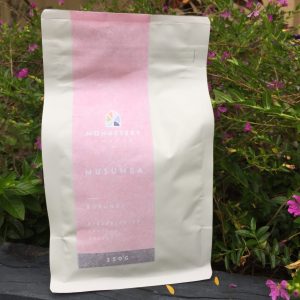
img_6464Almost all of the coffees I write about here on the blog are those I have purchased as green stock and roasted myself. This has been an intentional approach as the aim of my coffee writing here was never to be a café or coffee review site as such.

So what exactly, is the aim? As I’ve mentioned in the past, it is to share my enthusiasm for learning more about this humble brew which brings so many of us together across the globe. Part of this has always included looking into the growing regions and farms where these coffees are produced (assuming such information is available), and the Musumba Hill co-operative in the African nation of Burundi is what I’d like to explore a little further today.

I picked up a bag of the Burundi Musumba from Strauss in Brisbane’s CBD when the coffee was featured as part of a regular rotation of guest roasters.

The Country

Burundi is a small country in east Africa, covering almost 28,000 square kilometres, has a population of 10.4 million people, and is served by the capital Bujumbura. It shares borders with the Democratic Republic of the Congo, Rwanda and Tanzania (the latter two are of course being well-regarded coffee producing countries in their own right).

The Burundi country profile on the BBC News site reports:

Burundi, one of the world’s poorest nations, is struggling to emerge from a 12 year, ethnic based civil war…

The ethnic violence sparked off in 1994 made Burundi the scene of one of Africa’s most intractable conflicts

From the Central Intelligence Agency World Factbook:

Burundi is a landlocked, resource-poor country with an underdeveloped manufacturing sector. Agriculture accounts for over 40% of GDP and employs more than 90% of the population. Burundi’s primary exports are coffee and tea, which account for 90% of foreign exchange earnings

The Facebook goes on to say Burundi’s GDP in 2015 was an estimated $7.711 billion, placing it at number 164 compared with the rest of the world’s countries. Further political unrest in 2015 resulted in disruptions to the flow of agricultural goods due to blocked transportation routes. It is hoped funding assistance from the World Bank will help restore this infrastructure and again lower transport costs.

The median age of Burundi’s inhabitants is 17 years, and life expectancy at birth is 60.09 years, placing it at a lowly 197 compared with other countries throughout the world. In reporting on population estimates, the Factbook also has a side note which sadly, is not uncommon for many African countries:

…estimates for this country explicitly take into account the effects of excess mortality due to AIDS; this can result in lower life expectancy, higher infant mortality, higher death rates, lower population growth rates, and changes in the distribution of population by age and sex than would otherwise be expected

The sites I have quoted above contain significantly more information than I have pulled out and presented here, and a Google search will provide an ongoing timeline of unrest and turmoil, with a report in The Guardian just a few days ago outlining a UN report alleging human rights violations and high risk of a “spiral of mass violence” in the country. The government has since denied the allegations.

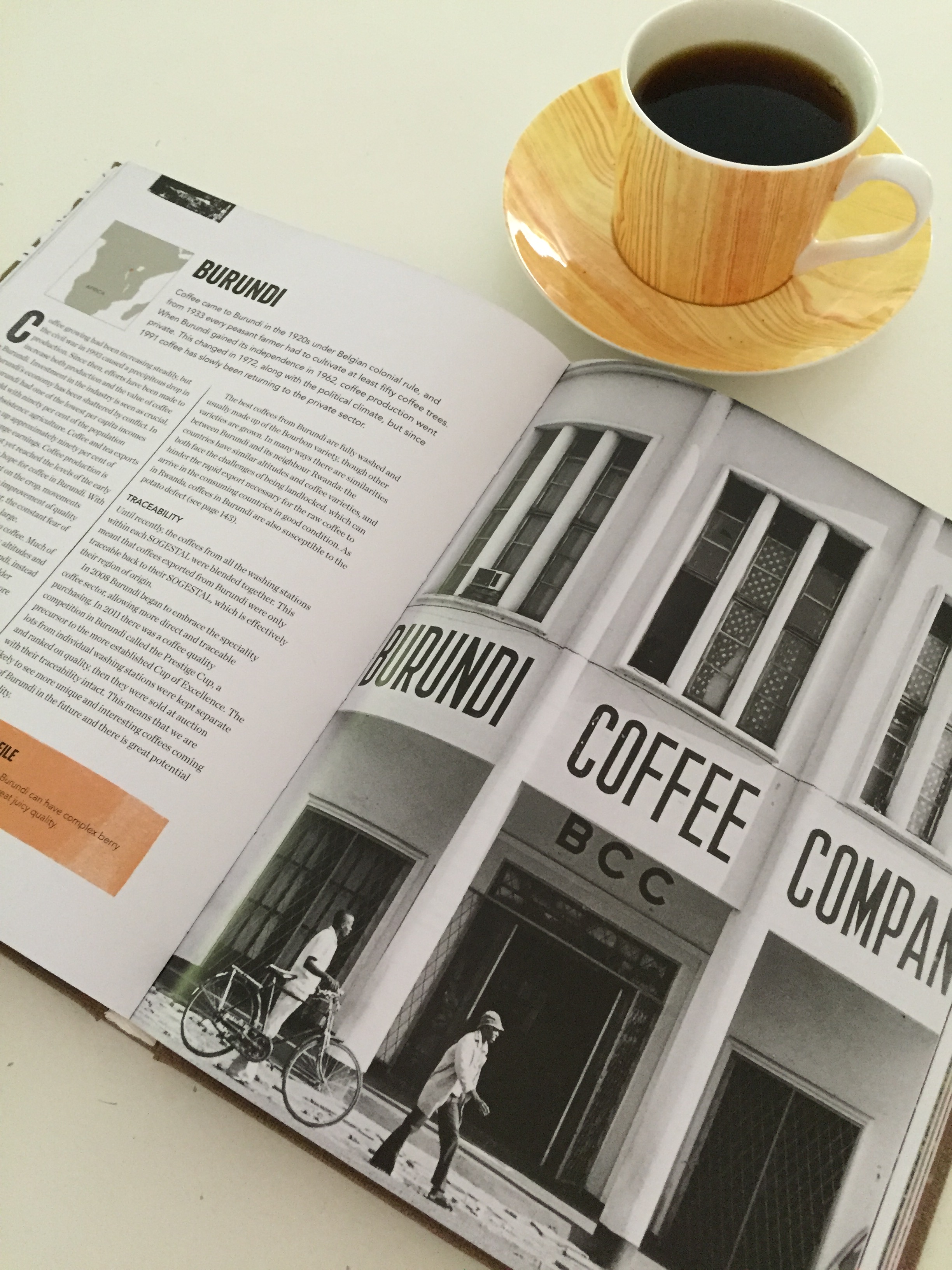
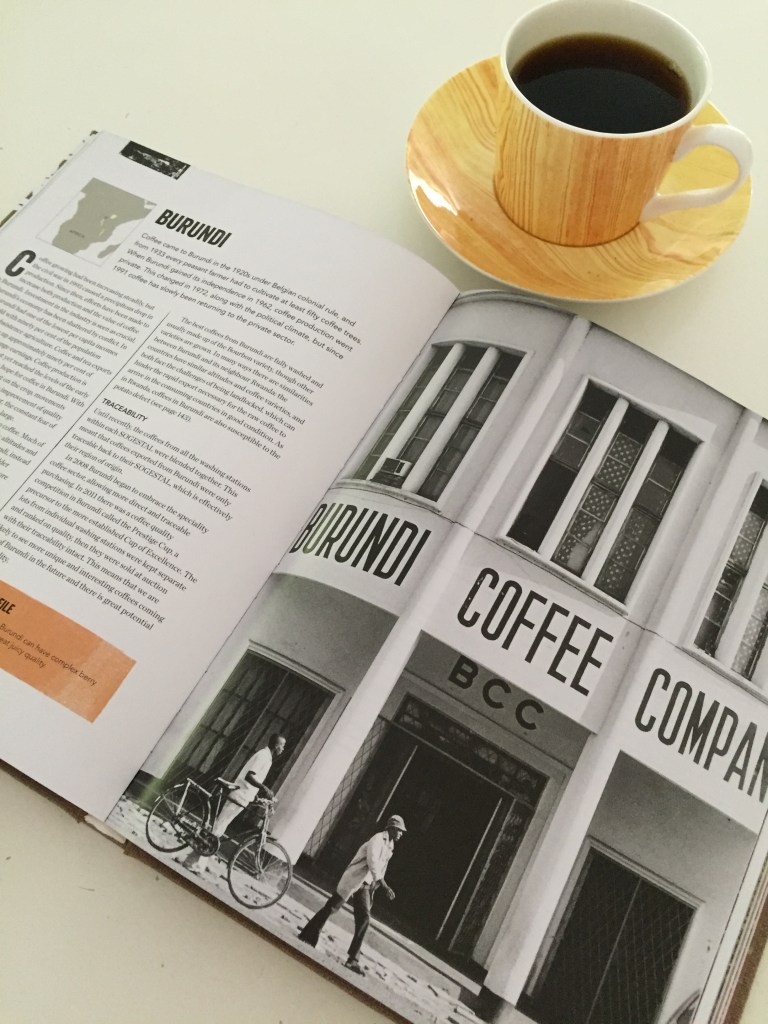
An optimistic, yet cautious James Hoffmann writing about Burundi in The World Atlas of Coffee (2014):

With 650,000 families dependent on the crop, movements towards higher prices through improvement of quality can only be a good thing. However, the constant fear of political instability returning looms large
IMG_4001

A favourite image of mine from The World Atlas of Coffee

Of course my intention is not to simply paint a negative picture of Burundi, however I do wish to point out the significant challenges faced by its coffee producers, and am thoroughly amazed anything is produced at all, let alone processed, shipped, and resulting in the quality of cup I can enjoy sitting here in my lounge room.

The disconnect between where this coffee originates, and where it is now being brewed and consumed is stark, a fact which also makes the Long Miles Coffee Project so remarkable.

The Long Miles Coffee Project
2016-09-25-burundi_post_lmcp_logoI have now been sitting in front of a blinking cursor for quite a few minutes in an attempt to put some words around the story that is Long Miles, however this is probably best done by the Carlson family’s Long Miles Coffee Project website:

We are a small American family living in Burundi, which is smack dab in the heart of east Africa. We are passionate about producing amazing coffee and caring for the well-being of the coffee farmers who grow it. We weren’t always coffee producers. First, we were a family with a dream.

Part of that dream? Working with Burundi’s farmers and growers to facilitate direct working arrangements with the world’s coffee roasters. Another part? Building a washing station to enable better quality control and price guarantees for local farmers.

I highly recommend perusing the posts on the site’s blog, where you’ll find writing such as that of June 9, 2015, about the family’s need to exit the troubled nation:

I had heard heavy gunfire all morning but after weeks of violent protests, that was nothing new. We had been sending them off to school with the sound of tear gas bombs as their soundtrack. This day was somehow different; suddenly I felt my gut turn and I just knew — the time to get to school was NOW

Only to return in April of this year in time for the next harvest:

There just has to be hope, and it’s there for the choosing. So, on the back of one of Burundi’s darkest days, we began packing. I don’t call this choice bravery or stupidity (it’s been called both) – I just call it ours. Our choice to be home. Our choice to sink our roots into the soil of Burundi, come what may

Other inspirational, humbling, and even amusing stories on the blog from some of the coffee farmers themselves show just what a difference one family has made to the lives of many.

There are a couple of thoughts which repeatedly come to mind as I sit here and write about this fine coffee from Burundi, the country itself, and the Long Miles Coffee Project.

In the first instance, many of us have enthusiasm and passion. Fewer have a call to action, and fewer still, uproot their families and plant them in one of the poorest, most politically unstable countries on the planet. The result? Touching the lives of those less fortunate in a way that will go a long way to securing (as much as it can) the future generations of Burundi coffee farmers and their families.

It is a story worth telling.

Speaking of which, you could say there may at times be a sense of “story fatigue” in specialty coffee. Of course every coffee has its own origin story — equally as valid and important as the one I am passing on to you here. Reading a little further on the plight of farmers in Burundi however, reinforces that these are not only stories on the back of a coffee bag. These are real people, often struggling to survive each and every day, in conditions we in our comfortable lives will never experience.

Again, I urge you to visit the Long Miles Coffee Project website to see more examples of this great work for yourself — some of which has resulted in this fine coffee from the Musumba Hill co-operative finding its way to, and being roasted at, Monastery Coffee in Adelaide, Australia.

The Coffee

Information courtesy Monastery Coffee

  • Burundi Musumba Natural
  • Roaster: Monastery Coffee, Adelaide, Australia
  • Washing Station: Bukeye
  • Organisation: Long Miles Coffee Project
  • Region: Kayanza
  • Country: Burundi
  • Processing: Natural
  • Elevation: 1,800 m
  • Varietals: Heirloom Bourbon
  • Tasting notes: Strawberry, Chocolate, Spices

This lot received a lot of attention – a dedicated team of 4 women stir and monitor the coffee cherries throughout the day on raised ‘drying beds’ to maintain even drying of the coffee,

At the time of writing, the coffee is available directly from Monastery (AU$18.00; 250 g); free shipping within Australia.

The Brew

Being a filter roast, the majority of my consumption has been through a V60 drip filter, and to a lesser extent an AeroPress. If I had to choose, the V60 makes a cleaner, more nuanced cup —as you’d expect.

In terms of flavour, it is after all, an African Naturally processed coffee, and with that you will find the requisite fruit bomb in the cup. Think strawberry, yes, however as the brew cools a little, things begin to open up even more. The mouthfeel becomes a little creamier, and as the acidity rises, those strawberry flavours really concentrate, moving through strawberries and cream, to almost a red cordial of sorts.

A description such as the one above may sound like an overpowering trip down the “red” spectrum of flavours however that is not the case at all, simply descriptors which came to mind as I worked my way through the brew one afternoon. If we were sticking with the coffee favour wheel, then strawberry in abundance is definitely where I’d pin it. The acidity is spot on, it has medium body and a lingering finish, being a joy to sip and saviour.

As espresso — yes, I run all of my filter roasts through a longer shot out of curiosity, and here those strawberry flavours dominate again, with a hint of chocolate. As a milk drink it stands up pretty well, however the acidity is a shade high as an espresso — though of course is again not surprising in a filter roast.

The Finish
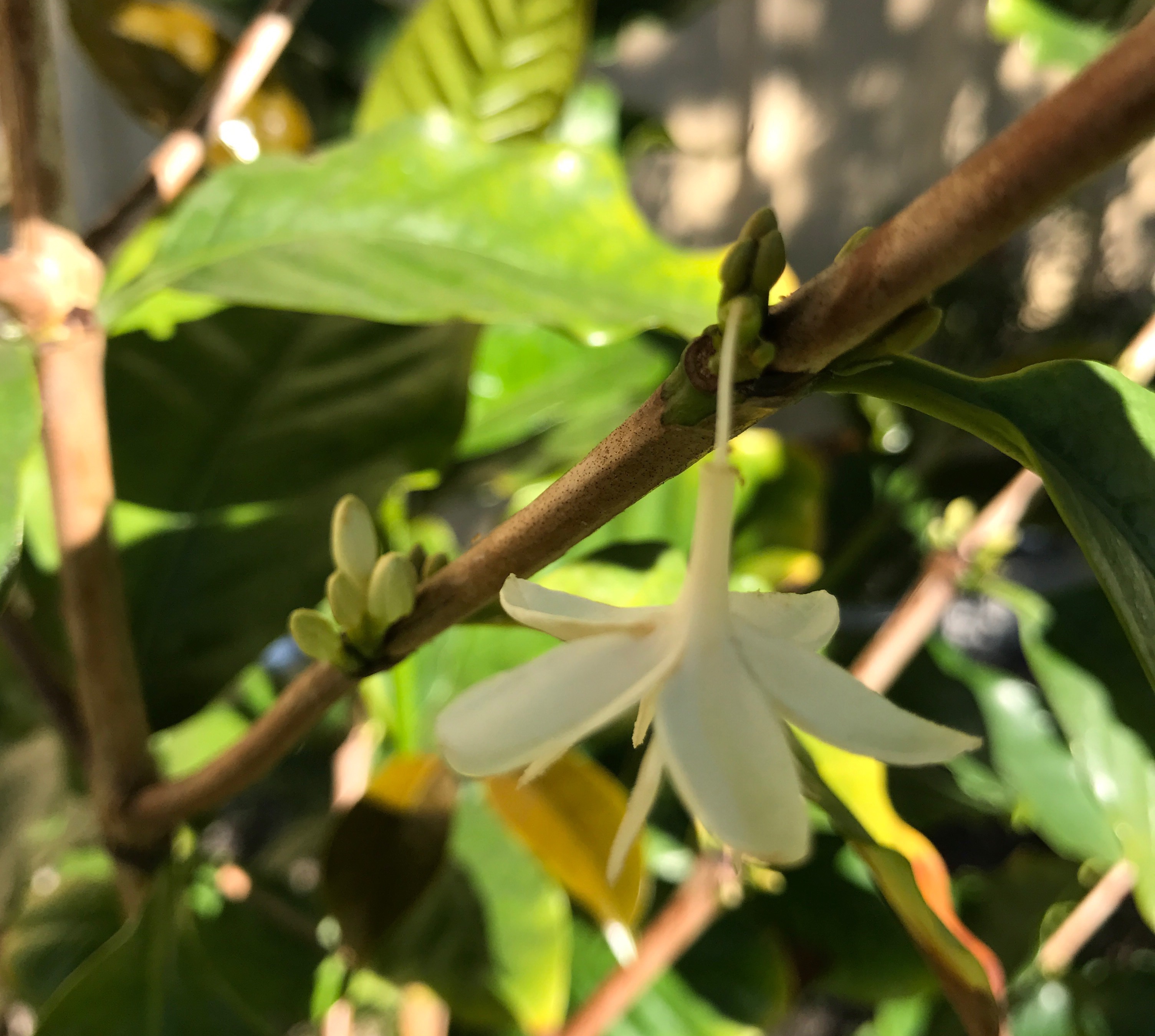
2016-09-25-burundi_post_flowerI do realise this post has run a little long compared with the usual What’s Brewing format, however as I’ve mentioned above, there are stories worth telling.

This coffee from the Musumba Hill co-operative itself? Well, it’s a beauty, and is an example of adversity resulting in greatness. I’d highly recommend picking some up if you get the chance.

For me, this post has been part coffee exploration and part geopolitical discovery, combined with a healthy reminder about where these coffees actually come from and the lives of those who produce them. If this post does nothing else, at least click-through to the Long Miles Coffee Project site, and browse the faces and words of those dedicated coffee farmers.

When you next sip your favourite brew — remember them.
Wiser Web Wednesday

Wiser Web Wednesday – a semi-regular link to posts of interest from around the web, by those far wiser than myself:


Macstories
It’s indeed a busy time in the world of Apple software updates, with iOS 10 now in the wild, and macOS Sierra currently awaiting my go to update my Mac mini.

Although you’ve no doubt seen the plethora of ”5/7/10 things you need to know about iOS 10” out there — for a definitive resource, there is no going past Federico Viticci’s now yearly iOS reviews.

In what can only be described as a hefty 50K words, it is however, well laid out, indexed, and supported by enough video and screenshots to make checking any particular feature or aspect of iOS 10 a breeze.

You need not go anywhere else:
iOS 10: The Macstories Review

And of course:
macOS Sierra: The MacStories Review


The Brooks Review
Ben Brooks experiments with using the on-screen keyboard on the iPads Pro for a week. The results? Not bad, however not as good as an external (in this case Smart) keyboard.

Given I write quite a bit on the iPad (currently typing this in the back shed while some coffee roasts away in the yard), I’ve long used an external keyboard for such purposes. Though probably ridiculously (from a size perspective), on a Logitech Ultrathin Keyboard with my iPad mini 2, and now I am back on the iPad Air 2 – the Microsoft Universal Mobile Keyboard, which is absolutely fantastic (provided you don’t mind lugging a second device around).

Of course the best part about the iPad is the usability of the on-screen keyboard for times I either don’t want to carry the external one or find an unexpected time to get a bit of writing down when just the iPad itself is with me.
Just Glass


From the Pen Cup
Coincidentally, at last Friday night’s Pelikan Hub in Brisbane, conversation at one point turned to converter options for the sport-sized Kaweco pens, with mixed views on their merits.

It seems the same is the case amongst reviewers online, with Mary finding success, yet referencing the less than stellar performance of the converter when Jeff Abbott reviewed it for The Pen Addict last month.

Depending on how you use it (read fill it) will perhaps depend on the results you end up with and whether persevering is worthwhile. I’m not rushing out to buy one, mainly because I’ve always been content with cartridges in my Ice Sport.

If you do decide to try one out, it certainly isn’t a pricey endeavour:
Another Viewpoint: The Kaweco Sport Squeezable Converter


The Pen Addict
It’s nice to see an Australian ink maker’s products receiving such positive reviews around the globe.

If you’re looking for a rich turquoise ink with great shading and sheening properties, Torquay is a great choice. It really does have that little “certain something” that makes it stand out from other inks

I have a couple from the Robert Oster range which are some of my favourites, and no doubt quite a few more will reach my collection in future.

Keep an eye out for these high quality inks as they hit both brick & mortar and online stores around the world:
Robert Oster Signature Ink Torquay: A Review


Notemaker Blog
A great roundup of why Rhodia paper is seen in some form or another on just about every fountain pen users desk.

In addition to the points listed — greater availability than ever before (see Officeworks, Dymocks etc) makes Rhodia a compelling option.

Of course a little support for an Australian online retailer never goes astray either.

Well said Notemaker:
Rhodia – Why this brand has so many admirers


The Pencilcase Blog
A thoughtful and balanced review of the Montblanc Rouge et Noir Heritage edition fountain pens released earlier this year.

But the skinny profile, especially at the section where it’s not much thicker than a woodcased pencil, might put some people off. Being a special edition pen, I think most people would expect something a bit larger

Pen number one on my fountain pen journey was my Montblanc Meisterstück Classique (which incidentally is now 19 years old and still going strong) — another very slim pen. I’ll admit, depending on your particular preference and what you are used to, pens on the slender side are not for everyone — particularly at this price.

For me, the design of the Rouge et Noir edition is not quite for me, however I think Montblanc has done pretty good job overall.

A well written review:
Montblanc Heritage Rouge & Noir Fountain Pen Review


Pens! Paper! Pencils!
Speaking of slim pens, Ian Hedley reviews the BNdot ballpoint — recently launched on Indiegogo (link in Ian’s post).

Quite a few of the pens sitting around my desk are fairly slender in nature, and as Ian points out in the post, such pens definitely have their role — however perhaps that isn’t in handwriting your next novel (a situation which might not occur too often for many of us I’d imagine).

Coincidentally, this review also comes at a time when I’ve been thinking about when exactly I became fountain pen only. Of course that couldn’t be further from the truth, however readers of the blog would be forgiven for thinking just that if I look back at the pen related posts for quite a way on the site. In any event, I must redress the balance soon, however this link is about another great review from Ian rather than the foibles of my review choices.

Also check out Brad’s thoughts on the BNdot over at the Pen Addict, and while you’re there, if you poke around a little you can find other first looks at the BIGiDESIGN Ti Arto (Kickstarter campaign ending soon) and the Tactile Turn Glider (Kickstarter campaign also ending very soon).

So much going on! Over to you Ian:
BN Works BNdot Ballpoint Pen Review


Nock Co. on Kickstarter
But wait… there’s more!

Nock Co. with another Kickstarter project, this time the launch of The Lanier Briefcase. I use my Nock Co. pen cases from the original Kickstarter every single day, and can certainly vouch for the quality and functionality of the materials, design and manufacture. No doubt The Lanier will be more of the same.

Although personally I’ve never been drawn to the design and appearance of these types of briefcases, head on over to the project page to view what I am sure will be another successfully funded campaign:
The Lanier Briefcase by Nock Co.


Pen Economics
Dr Deans with some analysis of whether that old “more environmentally friendly” chestnut really does apply to the fountain pen versus disposable ballpoint comparison.

Ultimately, understanding environmental impact is a complicated matter. To make effective decisions, we need to make sure we aren’t focussed on a single, potentially unimportant detail

Whether we are talking pens or the environment in general, I think we are all probably prone to erroneous assumptions about such matters, and I offer you this for a more informed view:
Are Fountain Pens Good for the Environment?


Crónicas Estilográficas
Exciting news of a new flagship fountain pen from Pilot.

The result is a flat-top pen made of ebonite, coated with black urushi lacquer, and filling mechanism through cartridge and converter (CON-70). In fact, this pen can be seen as a scaled up Custom 845—same shape, same materials, same structure… but bigger, longer, thicker.

No doubt more will be heard in the coming months:
Custom Urushi


Pax Coffea
Coffee industry expert Peter Giuliano outlines what he believes to be a turning point in the coffee industry.

I believe we will look back upon 2016 as one of these special moments, when we see the first sparks of a new era. For coffee, that is.

The post refers to recent announcements by two US Universities of plans to open Coffee Centres for research and development, along with similar plans from the now unified SCAA and SCAE (American and European Specialty Coffee Associations) as evidence of this.

While I cannot speak for the industry itself, I would add that various online resources such as Barista Hustle are providing better than ever access to science and expert opinion for the average enthusiast as well.

Interesting times ahead:
Why I Believe We’re Witnessing the Beginning of an Age of Wonder in Coffee

Wiser Web Wednesday

Wiser Web Wednesday – a semi-regular link to posts of interest from around the web, by those far wiser than myself:


ABC News
An interesting overview of where your “data” actually is and how it travels around this vast, yet also fairly small (at least in a digital sense), world of ours.

However, the focus for data security is on the development of software, as though we have forgotten that data storage happens in real places on the ground — and not in “virtual” clouds.

Your data is out there (not up there)…somewhere:
Where is your data? It’s not actually in the cloud, it’s sitting in a data centre


The Sydney Morning Herald
As an avid Plex user, its great to see ongoing development and new feature implementation within the service. Australians will now be able to schedule live TV recordings via the Plex web interface — previously unavailable due to local networks insisting their EPG listings were subject to copyright.

Common sense would suggest that you can’t copyright a simple list of program start times but, considering that the commercial broadcasters refuse to stick to their advertised schedules, perhaps they believe the TV guide is entitled to copyright protection because it’s clearly a work of fiction.

The DVR feature is only available to paying Plex Pass subscribers, however depending on how much local network content you actually watch, there may never be a better time to pull the trigger on a paid subscription:
IFA 2016: Plex live TV recording comes to Australia


The Saturday Paper
A new sponsorship deal between the ABC and supplement giant Swisse, doesn’t appear to have everyone entirely on board. Of course it isn’t the first time things have gone awry for the multinational:

The program demonstrated how, after their product’s claims were judged to be unfounded by the TGA, they merely repackaged the same product and put it back on the market. Swisse’s own correspondence with retailers confirmed it.

An interesting read:
Inside Swisse and its vexed ABC sponsorship deal


David Hewson
For the budding writer, some advice from a man who coaxed me through 55,000 NaNoWriMo words a couple of years ago with his Writing a Novel with Ulysses book.

Do I outline everything in detail first? No. I will have a few ideas about where I’m headed but this is a journey into the unknown. I want to be surprised and enlightened along the way because if I’m not the reader won’t be either.

I reckon he knows a thing or two about the craft:
How to start writing a book


The Pelikan’s Perch
A very useful post with some science thrown in for good measure — particularly as air travel with fountain pens is still a point of intermittent discussion in the fountain pen community.

Fly, be free:
How-To: Air Travel With a Pelikan


The Gentleman Stationer
Joe has just updated the Best Pens page on The Gentleman Stationer. If its been a while since your last visit, it is worth a return trip.

You could select from any category you find on this page and be satisfied a great pen will soon be in your hands:
Best Pens


Fountain Pen Quest
After an initial double-take on Ray’s tweet mentioning “Shows and Clubs” (thinking perhaps he may have been launching some sort of pen nightlife section on the blog) — a click through soon clarified things.

This is a great addition to the resources page on Ray’s blog, and a bonus of checking out the page was the reminder it provided of the other useful information posted there (i.e. nib workers, restorers and makers), which had apparently slipped my mind:
Pen Shows and Pen Clubs Added to Resource Pages


Perfect Daily Grind
There are many challenges in developing a successful coffee industry, however some are unique to their region:

Within the archipelago there are 10 main languages, but as many as 748 mother languages are in use. In order to maintain high-quality production, it’s necessary for stakeholders to communicate across both languages and cultures.

Obviously it involves more than just a few plants in the ground:
Indonesian Specialty Coffee: The Challenges & Opportunities


Perfect Daily Grind
The specialty coffee scene in Brisbane really has gone from strength to strength in recent years.

I highly recommend a visit to any (or all) of these:
A Coffee Shop Tour of Brisbane, Australia


Scotch Whisky
I would not have thought India would necessarily be on top of the whisky consumption by country list, however with such a staggering population, I guess things scale fairly substantially.

Right now, the best barley in the business goes to Talisker and The Glenlivet, with both sharing huge popularity in wedding and business function contracts. Weddings might seem paltry to us, but when the guest list is 5,000-strong and the father of the bride wants a bottle of whisky on every table, the numbers skyrocket.

Point taken:
India: Scotch whisky’s wild, wild east

Wiser Web Wednesday

Wiser Web Wednesday – a semi-regular link to posts of interest from around the web, by those far wiser than myself:


Three Staples
Any man who raves about the Delfonics Rollbahn notebooks I’d consider a friend of mine. Here Matt (Mr. Three Staples) turns his hand to the Pilot Prera, and a fine piece of writing ensues.

I love the consideration given to “matching” the other items on the desk. Having never really considered a white fountain pen before, this post is as good as any in leading me towards changing that thinking.

Looking forward to the next guest post – after a few from the Centre Staple first of course:
Discovering the Pilot Prera


Everyday Carry
Ed Jelley with a pretty handy back to school/work guide to pens, particularly if your budget isn’t running in a surplus at the current time.

In it I see the Parker Jotter – my first “I’m going classy exec style”pen from high school. It was a blue section for me back then:
The Best Everyday Carry Pens for School and Work


The Gentleman Stationer
With a few pilot pens already in my collection, the glowing reviews I often see of the Custom 823 place it firmly on my “to purchase” list as well.

It’s nice to see Joe has finally moved his over to the “purchased” side of the ledger. Yet another positive review of a great looking pen:
Pen Review: Pilot Custom 823


Pen Economics
I wrote and published a short piece over the weekend about my first year as a member of the Fountain Pens Australia Facebook group.

If you’ve not as yet read it, this great post from co-founder and admin of the group Jonathon Deans paints a bight picture of the group’s first year, and if future plans are any indication – things are certain to get better and better:
One Year of Fountain Pens Australia!


Alt. Haven
You may have seen a post of mine in the recent past, praising the value represented by some of the paper-based stationery products in Japanese discount store Daiso.

While in the store, more than once I’ve looked at the fountain pens in those cheap packages, and thought better of it. Junee’s thoughts here suggest that was perhaps the correct way to go.
Review: Daiso Fountain Pen


An Inkophile’s Blog
I thought my lead in to this link would contain: well, I”m an …….– and give you the ink that best represents me. In the end I found that to be easier said than done. Have a think about your signature ink.

Adapted from a great article in the August 2016 issue of Pen World magazine, by “Inkophile” Margana Maurer, this colour wheel will get you thinking about your particular signature ink. A link to download the full article in PDF can be found in the post:
Signature Ink And A Color Wheel


London’s Best Coffee
A handy reading list for the coffee enthusiast, and I hope there are at least a few of you reading these pages.

Though all the books will have something to offer coffee professionals, we have in mind the consumer at some stage into their journey of adventure into the world of coffee.

There is no excuse for your coffee table to be sans, well… coffee table books about coffee:
A Guide to Coffee Books for the Novice Explorer and Enthusiast


European Coffee Trip
Quite an in-depth look at the emerging Italian Specialty Coffee scene.

Specialty cafes have a problem to charge more than 1€ for a single shot espresso. That is the regular price in all cafes but the speciality ones.

Tradition, attitudes, law. It’s all here to challenge third wave style proprietors break new ground in a one of the oldest and well established coffee markets there is:
Italian Third Wave Coffee Scene – Does Anyone Know About It?