Wiser Web Wednesday

Wiser Web Wednesday – a semi-regular link to posts of interest from around the web, by those far wiser than myself:


The Gentleman Stationer
Okay, spoiler alert – I am mentioned in this post along with some other blogs. I do wish to point out the link is included here not because of that fact, for if you are reading this, then you are already — well, of course…reading this blog.

The reason for linking to posts and other blogs on these mostly weekly Wednesday link posts is to share with you the other sites I get a kick out of reading — many of which you’ll find highlighted in Joe’s post.

As for this blog? It fits perfectly in the not exclusively stationery-focused and not updated as often category in which it appears, and for that reason I am very grateful to Joe for the inclusion.

I would encourage you to click-through to the post and check whether the websites included are in your RSS Reader or whichever method of following you may use — there are some great sites here:
Pen and Stationery Websites You Should Be Reading


The Pen Addict
Jeff Abbott looks at a fountain pen-friendly pocket notebook in the Clairefontaine Life Unplugged series.

I’ve long been a fan of Clairefontaine paper, and this newest addition to my collection is a new favorite. A 3.5″ x 5.5″ notebook filled with creamy, white Clairefontaine 90gsm paper is hard to beat.

If fountain pens are your daily carry note taking choice, indeed these would be hard to top as the paper half of any combination:
Clairefontaine Basics Staplebound Pocket Notebook Review


The Pelikan’s Perch
There is a good bit of local excitement given Brisbane made the list for a Pelikan Hub in 2016, with fellow Fountain Pens Australia Facebook member Thea Monks designated hubmaster (in my mind I continue to refer to it as hub-meister, however will go with the official term here).

Taking place for 2016 on the evening of September 16, I’m very much looking forward to participating in this fantastic event:
News: Pelikan Hubs 2016 Locations Announced

While you’re at The Pelikan’s Perch, check out Joshua’s very thorough, detailed review of the retro-inspired M120N released this year. For one main reason noted in the post, it perhaps won’t find its way into as many hands as perhaps it might have, which is a shame.

Great review though as always:
Review: M120N Green/Black (2016)


Ed Jelley
Certainly some solid choices here for fountain pen users looking to expand their notebook collection.

The Apica CD Notebook remains a favourite of mine:
The Best Fountain Pen Friendly Notebooks


The Pen Company Blog
Admittedly I’ve only tried a limited number of Faber-Castell fountain pens, however the nibs have always been outstanding. I am a little enamoured with the unique shape of the E-Motion as well.

A great review from Lucy at The Pen Company Blog:
Faber-Castell E-Motion Pear Wood Fountain Pen Review


nib & ink
The more I see of the Murex and Myu line ups from Pilot, the more I like them.

Great reviews like this one do nothing to reverse that trend either:
Review: Pilot Murex


Alt. Haven
The doctor is now consulting. Well, at least he was recently in Singapore. Junee provides an insight into the approaches and philosophies of the Pilot Pen Doctor Atsushi Takizawa.

An enlightening read:
Pilot Pen Clinic with Pilot Pen Doctor Mr. Atsushi Takizawa


Smith Journal
This short piece in the Smith Journal contains further links to the topic at hand.

My favourite though, is the link at the very end on building your own. If you have a spare ten minutes it is well worth watching, then proceed to the backyard, stand in front of your current shed, and begin planning:
Famous Writers’ Writing Shacks


And now it’s all this
Beyond posting links to these types of posts, all I have to say is that I spend a considerable amount of my time on iOS, however love using my Mac just as much.

I don’t really have much desire to head one way or another in isolation. As acknowledged in this piece by Dr Drang, many of the advantages iOS brings are duly noted, however it also demonstrates that sometimes the evangelism doesn’t necessarily stack up to objective scrutiny:
Intuitive by proxy


Finer Things in Tech
David Chartier moving in what would generally be considered the opposite direction to many when it comes to cloud services. I’ll be interested to see how the experiment goes:
From Dropbox to iCloud Drive: An Unexpected Experiment

…and finally:
iOS 10 Safari: Close all tabs at once


MacSparky
David Sparks and Jason Snell with a new podcast about their experiences in going out, and continuing to succeed in, working on your own.

Free Agents is a podcast for people who work independently or are thinking about working independently. The show will be a mixture of topics and guest interviews dealing with the challenges and joys of working independently.

Generally with podcasts or blogs writing about such a theme I find very interesting up to a point. When that changes, it has nothing to do with the quality or content of the show — merely the fact I become worn down by listening to the joys of working independently as I spend an hour commuting to the large office where I work every day. Sure, I don’t drag myself out of bed whingeing and moaning each day, however I’m sure you can see the challenge in maintaining enthusiasm for these types of topics within that context.

I’m predicting this time will be different, for although I’m not going “indie” any time soon, I have been working on a side project which has certainly sparked a good deal of enthusiasm in recent months, even if progress on that project is slow.

I very much enjoyed episode 1, and the topics planned for future episodes in Free Agents are beginning to become just that little bit more relevant:
My New Podcast: The Free Agents


Ars Technica
Where everyone goes for whisky news right?

An interesting read into a research area which appears to be very much in its infancy.

Within the traditional distilling community, there’s certainly some skepticism about how fully the effects of quick aging can replicate time in a barrel. “I think that accelerated maturation is an enhancement, not a substitute,” says Angels Envy executive Wes Henderson. “There’s no substitute for time, mother nature, climate, ingredients. Maybe I could be proven wrong, but I don’t know. I hope we never lose the magic of aging.”

Unless there is ever a significant shortage of course, and then perhaps everyone will be aging their product as fast as they can artificially increase the speed on that clock.

I can see the labels now: “aged 8 years, tastes like 12”:
The scientific arms race to age our whiskey


The Whisky Topic Podcast
Mark and Jamie discuss a very specific and statistically based process of assessing whisky, with Eric from the Whisky Analysis.

Eric uses the “meta reviewer” concept on his website, where he collects whisky scores from various reviewers and provides an overall ranking

The discussion provides a fascinating analysis of some of the characteristics of whisky reviews, and also provides a basis for the differences in opinions of occasional drinkers and experienced reviewers.

Hearing why the default sorting of the database contained on the site is by flavour then by score is fascinating in itself.

Check out the database and find your “cluster”:
Is the “Meta-Critic” the ultimate whisky reviewer?


A Pen Index Page

With the number of pens in my collection growing substantially over the last few years, I’ve put them all together in an Airtable database as an attempt to keep them in some sort of order. Although the database is far from complete, and will perhaps be the subject of a post in its own right — my thoughts came around to the blog and how things are organised in terms of the pens and reviews I’ve put up so far.

I’ve decided on at least creating a basic pen index list for the blog, which will hopefully provide readers with a general idea of where I’m coming from as far as my fountain pen thoughts and opinions are concerned, along with a simple index with links to the posts I’ve managed to get around to writing so far.

Looking at the list, I feel incredibly fortunate to have the pen collection I have, which was largely brought about by a very kind and generous friend downsizing his own collection at about the same time. Although I’ve thanked him many times, it is a generosity that I will never be able to fully repay.

There are certainly some pens in the list I find myself coming back to, filling, and using more often, though at the current time I’m not ready to either put them in rank order or into a best/top type list. Perhaps that might come at some point in the future.

At the current time I’ve also limited things to fountain pens, having not decided on the exact nature of how I might include other types of pens I own without the index becoming a little too all-encompassing and unwieldy. I also debated on whether to include budget pens such as the Pilot Petit1 and Platinum Preppy, however having written a post on the Petit1, the decision was made to include them as well. After all, there are some solid pens at this end of the market, particularly at the price point they sell for.

If you’d like to take a look at the index, it is sitting under the Analogue Tools category of the site’s menu, or click the following link:

Current Pen Index

As I’ve mentioned, the list contains links to posts I’ve written on some of the pens. If you are looking for other reviews around the web, the best place to start is the magnificent Pennaquod pen blog search site run and maintained by Ian Hedley, of Pens! Paper! Pencils!

And the Airtable database I mentioned in the introduction above? That’s not a database — check out the one David Brennan of Too Many Inks uses for his pen and ink rotation. Now that’s a database.

In closing, I do hope to slowly get around to transforming more of the index to links, however of course that means finding time to write the posts.

I’m sure I’ll get there — eventually.


Wiser Web Wednesday

Wiser Web Wednesday – a semi-regular link to posts of interest from around the web, by those far wiser than myself:


MbS-P-B
I’ve never really found the iOS lock screen a particularly useful aspect of the operating system — though of course acknowledge that also comes down to how I use it (or not) as much as anything.

iOS 10’s design still felt simpler to use, so I started over and instead compared the designs on how many actions one needed to take in order to accomplish common lockscreen tasks

Here Mike Bates takes a closer look and provides some context for why iOS 10 may somewhat improve how I use that lock screen:
Taking A Closer Look At iOS 10’s New Lockscreen


Harry Marks
The COVERED podcast remains one of my favourites, and although I’m not looking to ever start my own, there are some great tips here if I were.

It also provides some insight into why it is such a great show:
5 Interviewing Tips I Wish I’d Had When I Started Podcasting


MacSparky
Scrivener finally makes it onto iOS, and David Sparks gives things a test run. All of the key features seem to have made the transition, syncing to all of your devices via Dropbox.

That’s the magic of Scrivener. It not only allows you to write and organize your words for your big writing project, it also holds your research as well

I’ve owned the Mac version of Scrivener for a couple of years now and never really had cause to use it, and given the types of things I write (mostly in Ulysses), I cannot see that changing any time soon.

Knowing so many have waited for Scrivener to appear on iOS for so long, it is great to see it finally here, and appears to be just what everyone was waiting for:
Scrivener for iPad and iPhone


The Gentleman Stationer
Another of Joe’s Top 5 lists of particular interest to me, given I use pens other than the fountain variety each and every day.

The Hi-Tec-C Coleto, Retro 51 and Baron Fig Squire figure heavily in my own usage, though the Lamy 2000 multi pen does sound like it would fit right in:
Best Non-Fountain Pens for Everyday Use, Part II: Non-Disposable Pens


The Penman Post
A guest post from Kate Wai of Pandora’s Box, looking at the gorgeously orange OMAS Ogiva Alba.

I particularly enjoyed this post, and with the same model (number 147 of 327) sitting in my collection, I hope to put down a few thoughts of my own about it in a future post.
OMAS Ogiva Alba Orange Review


Three Staples
Coming in at number six on Jinnie’s order of awesomeness ranking of Field Notes COLORS Editions is the Grass Stain Green Edition from 2009.

Although I do not have such a Field Notes list – if I did, this edition would certainly be high on it as well. Another great post from a place that is high on my unofficial and undocumented blogs of awesomeness ranking:
Field Notes Colors: Grass Stain Green


Pen Economics
It would be easy to sit here reading this latest post by Jonathon, look at the pen’s price and think: not now, not ever — and leave it at that. High end pens exist for a reason though, and who am I to dampen enthusiasm, even if it is mixed with a little trepidation — rightly so for such a significant purchase.

Of course the post is not simply about a quest for an expensive pen, providing insight into the criteria used and decision making which goes along with such a purchase. In doing so, to me, it also highlights some of the joys this hobby brings — even if a large part of what I read or look at I’ll never own. The reality is — I’m more than fine with that.

To be honest, in the past I’ve always considered pens of this ilk (and cost) were generally bought by those who only had to satisfy the aesthetic criteria outlined in the post. Even then, satisfying that criteria only as far as how it might look on a fancy desk somewhere. That is, the wealthy tycoon for whom the cost is loose change and considering anyone else in the decision to purchase only goes as far as those who may come and fawn over it.

Thankfully, spending more time on this hobby over the past few years, and hearing more of the genuine enthusiasm those within it have for their “grail” type pens, my views have changed a little. It is certainly a joy to hear about these quests, particularly when they are fulfilled. It is also nice to think the pen in question will be appreciated for the fine writing instrument it is, rather than simply a conspicuous yet under utilised adornment on a desk somewhere.

So, for me, this fine pen that is the Montblanc Blue Hour Skeleton doesn’t satisfy my personal aesthetic criteria, and the columns on my balance sheet aren’t quite as wide when considering future pen purchases – the resulting answer for me does indeed become: not now, not ever.

Though for one particular pen enthusiast, it is good to know that same equation returns the answer: not quite now, but perhaps soon:
The Value of a Pen


Ninety Plus® Coffee
A brief reminder of why the term “shade-grown” is more than simply a fancy label slapped on some specialty coffee offerings.

Over the last two decades there have been increasing efforts to weave strong threads of agroecology and rainforest restoration in with specialty coffee farming. The results have been not only increased forest biodiversity and better coffee, but through branding practices like the Smithsonian Migratory Bird Center’s Bird Friendly certification program, increased buyer loyalty.

A little explanation of a specific coffee growing approach with many positives:
Stewardship for Taste


Jimseven
As I was reading this piece by James Hoffmann, I increasingly began to think: does there necessarily have to be the next big thing or change in coffee? The answer is of course not, yet said in the knowledge that there will be something. After all, there always is – eventually.

There will be a point which we will cross in the not too distant future where speciality, as it is now, will be normalised.

As the author points out, normalising specialty coffee obviously results in the collective bar being raised as far as quality is concerned – an overwhelmingly positive result.

So where to from there?

Perhaps there will be a few transient and divergent paths along the way, however I guess something will eventually stick, and away we’ll go – invariably as the fourth wave I guess:
When Speciality Stops Being Special


The Age
Melbourne (and Australia’s) coffee scene becoming more scientific by the day:
Chief coffee scientist Monika Fekete: helping create the other perfect fuel cell


Perfect Daily Grind
Regular readers might remember my little hit and miss natural coffee processing experiment I recently undertook in my back yard. Things go a little deeper in this article on Perfect Daily Grind:

Ben Weiner explained to me how Gold Mountain use refractometers on their farm to measure sugar content. This helps him decide if the sugar content is high enough for natural processed or honey processed coffee

An interesting read, along with a little refresher on some processing differences for your reference:
Washed, Natural, Honey: Coffee Processing 101


Wiser Web Wednesday

Wiser Web Wednesday – a semi-regular link to posts of interest from around the web, by those far wiser than myself:


Sprudge
While this method of brewing doesn’t sound overly enticing, given the content of this post, and those who swear by it, clearly there is some merit — and flavour it would appear.

After 5 minutes of brewing, stir the coffee or swirl the pot gently, and pour coffee slowly. If you would like less grit in your coffee, wait an extra 5 minutes after stirring

My advice would perhaps be to give it that extra 5 minutes:
The Lonesome Art Of Cowboy Coffee


Tools and Toys
A very thorough review of the Ascaso I-Mini coffee grinder by Álvaro Serrano for Tools & Toys. Noted in the review as a sub three hundred dollar machine, it is of course a little more expensive in local Aussie dollars (AU$380.00 from De Bartoli).

The i-Mini is a tremendous grinder that punches well above its weight, and once you take a long hard look at its rivals, it becomes increasingly clear what an incredible value it really is.

For my filter and Aeropress brewing, nothing beats my Baratza as far as I’m concerned. That said – it is certainly nice to read well presented and thought out reviews such as this one — usually what you find on Tools & Toys:
The Ascaso i-Mini Coffee Grinder Review


Five Senses Coffee
Although not all of these categories may be relevant to the choices you make when buying coffee – they are all variables which influence how the resulting brew will ultimately taste.

A great overview of what to consider when buying beans for your brew:
Coffee selection guide: How to choose the beans that are right for me?


Perfect Daily Grind
A look at two establishments applying age-old methods to coffee in Tokyo.

They decided that their coffee was a one-man show, that craftsmanship is more important than a line at the door.

Without a taste test I guess I cannot say how good they are for sure – I’d certainly like to give them a try though:
The Japanese Master Roasters Ignoring the Third Wave


Jimseven
James Hoffmann writing on the ever-increasing popularity of the Geisha variety within the coffee industry.

I’m not writing this as an attempt to claim some superiority in my preferences. I’m writing this because I’m not comfortable with the decision, that appears increasingly collective, that this is the thing we should champion

An interesting read containing some valid concerns around this disproportionately expensive varietal:
On Geisha


Crane Reaction
Todd Crane, formerly of That One Pen, transforms his online home — now covering a broader range of topics on a new blog.

From the man himself:

A place where a husband, father, teacher, science nerd, sports fan, music geek, tech user, pen and pencil dork, etc. tries to keep track of and understand as much as he can.

I’m looking forward to the new content, however to kick things off here — it has to be a pen post of course:

I enjoy some pens you can buy by the dozen at the grocery store and a couple of my pens come from limited batches.

Yep – a good pen can take many forms. As can a great blog. All the best with the new site Todd – it looks great so far:
A Good Pen Matters


The Finer Point
Whether you call them “top” lists, “favourites”, or “highly recommended” as is the case here – it is universally accepted we all have our favourites, be they for our own use; recommendations to others; or both.

Though I’m not necessarily familiar with everything on this list – I think you’d be pretty safe to count on Jenny’s recommendations:
My Highly Recommended List


Pens! Paper! Pencils!
Upon first seeing the images in this post, I thought: yes, that’s a striking design, yet retains a certain degree of class, only for Ian to describe it thus:

It looks like a reptile all dressed up for a night out at a 70s themed nightclub

Regardless of which more closely aligns with your own thinking, this pen would be well worth winning for your own collection. Check out the post for further details:
Twiss Green Lizard Fountain Pen Review


ScotchWhisky.com
To peat, or not to peat. A couple of industry figures give their (at times somewhat irreverent) views on the matter.

Balance and co-existence are probably key words to remember here:
The Debate: Peated whisky: the ultimate dram?


Some Fountain Pen Friendly Budget Notebook Options

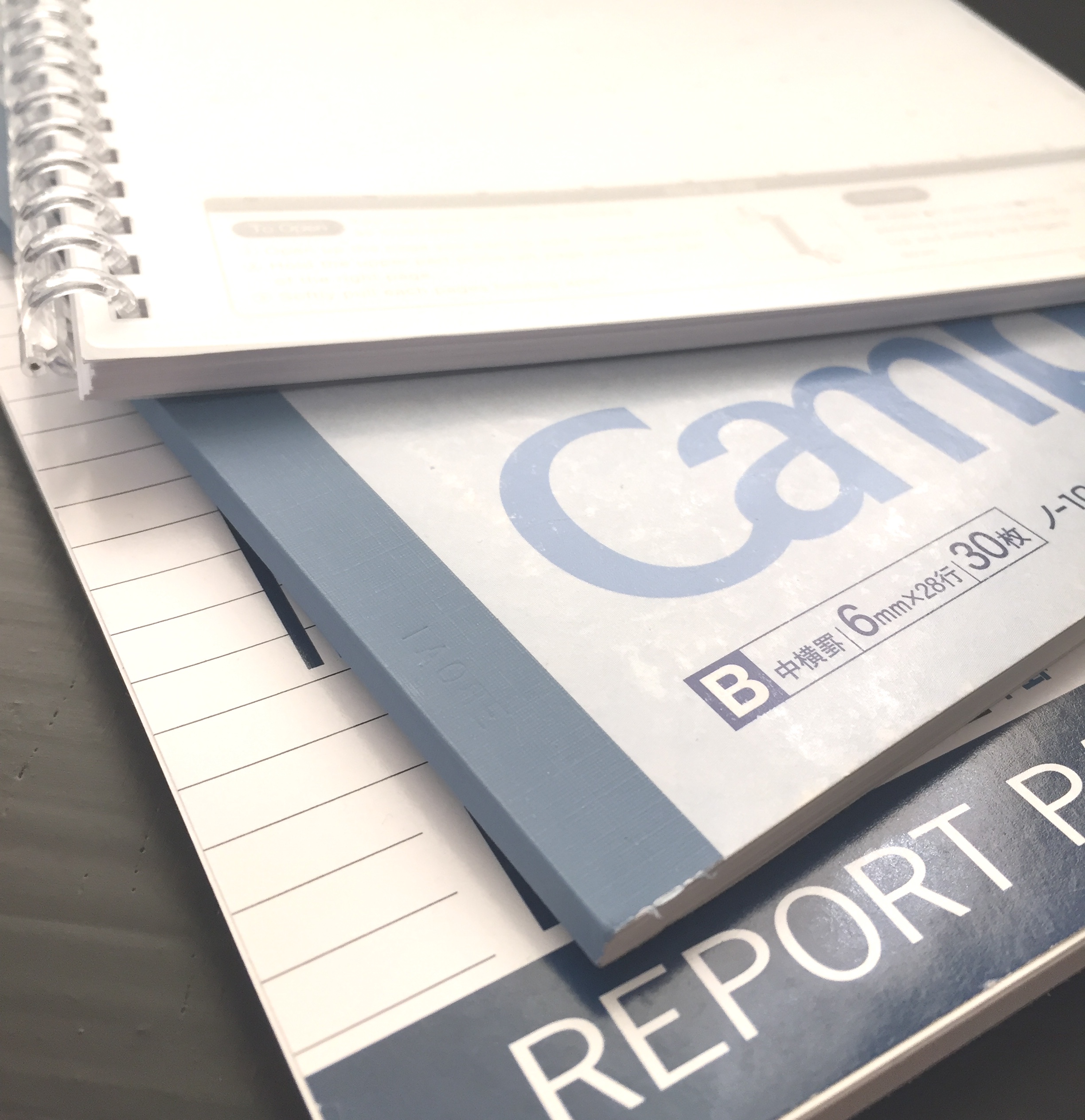
2016-07-10 all_three_blog_postIf there is one thing I am somewhat mindful of in this hobby (or obsession if we’re being honest) relating to pens, their associated inks, and paper — it is the cost of feeding the habit. I am not even speaking of bigger ticket items such as a quality fountain pen or leather-bound notebook — simply those everyday stationery purchases we often make.

Of course relative to that new pen purchase, a notebook or notepad remains fairly cheap by comparison, irrespective of brand or manufacturing quality. Although your standard A5 (No. 16) Rhodia pad may come in at AU$7.00 – $8.00, and even the A4 variant only AU$13.00 – $14.00, things can go skyward pretty quickly when stocking up on a few “essentials”. Like many, I have boxes and drawers filled with a collection of such products ready to be called into action when the inclination or need arises.

That being the case, why the need to seek out lower end options? A valid question, and I often ask myself whether I have become someone who buys something just because it is cheap — regardless of quality. However I can assure you I do have some standards, and only search for, test out, and put into ongoing use the products which although may not be perfect, will at least pass those minimum standards and be enjoyable and satisfying to use. I am certainly not going to put up with poor paper just because it was a bargain, spending my writing time cursing at the ink feathering or nib catching on cheap, rough paper.

At times I’ve actually found certain features in some of the cheaper options have suited me a little better than some of their higher priced cousins. Let’s face it though, there is a certain amount of satisfaction to be gained in finding some local, readily available alternatives which reduce the rate at which I burn through those more “premium” products.

I do acknowledge I am lucky enough to have access to many retail outlets given I work in the Brisbane CBD. All of the products here were simply bought off the shelf, and if available online, result in additional postage charges, rendering them less of a budget buy. I do feel for those of you unable to simply walk by in your lunch break, drop a few gold coins and walk out with a notebook or two.

As always, my intention is not to sell these products to you — merely to report in on how I found them to be valid options which are a little easier on the budget. All three I purchased myself, and I have no affiliation with any of the manufacturers or retailers.

Kokuyo Campus B5 Notebook – AU$2.80 DanDa

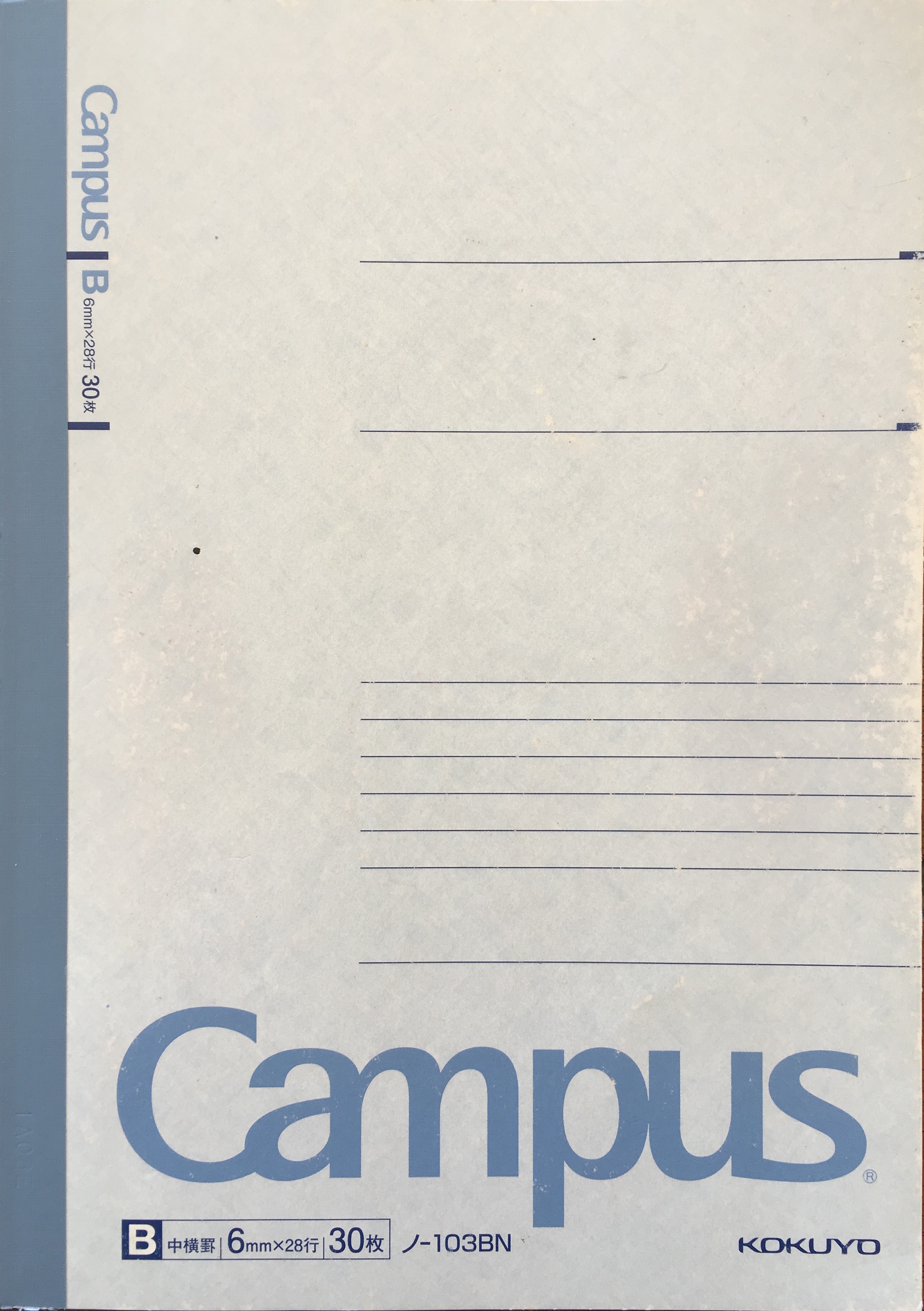
2016-07-10 campus_cover_blog_postThis notebook has been in daily use for the past month or so, and performed extremely well at the task. As you can see the cover is a little worn. “Daily use” generally involves blog post drafts, coffee tasting notes, general notes or song lyrics rewritten to test out a pen or ink. Many and varied content, however a common theme being longhand writing — often several pages at a time.

Design wise, the Kokuyo Campus series comprises a selection of thin, glue bound (external tape reinforced) notebooks unadorned with any additional pockets, closure straps or the like. They actually remind me of a standard school exercise book in many ways (perhaps with the exception of the better paper quality). The cover is simple card stock, which is not overly thick however does the job as intended.

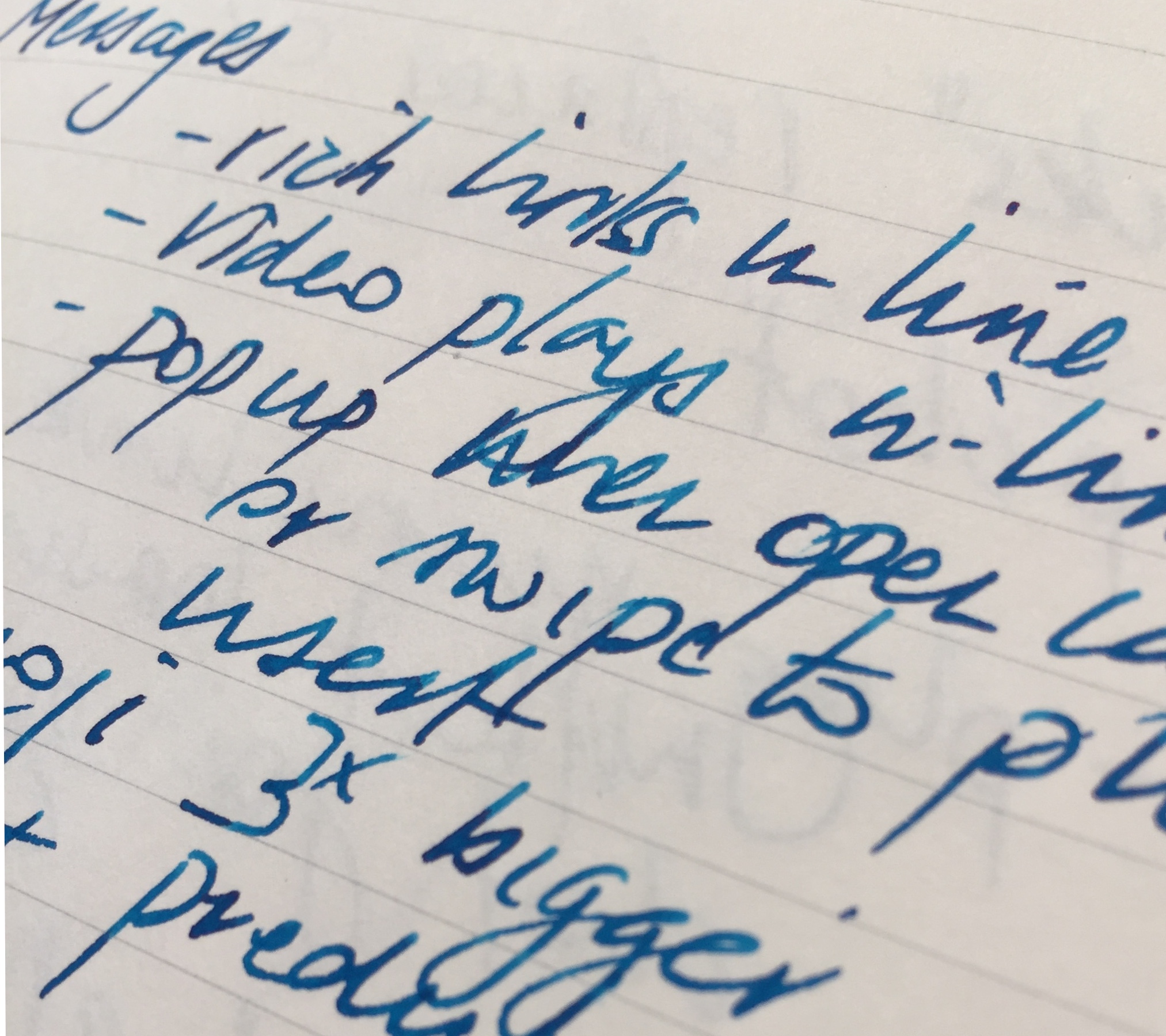
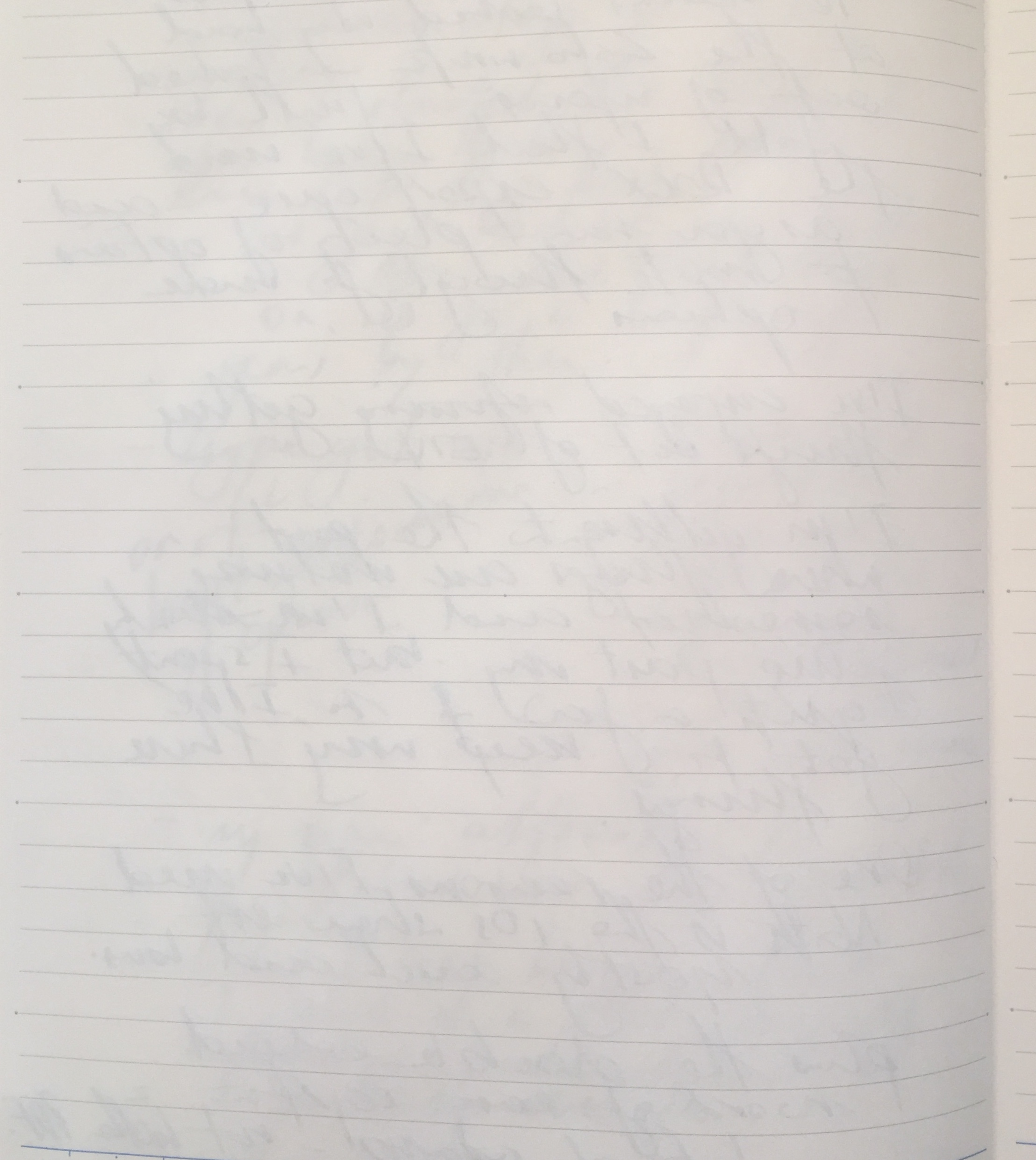
Not having used any of the Japanese made Campus line of notebooks before, the quality of the paper was certainly pleasing, though not a complete surprise given listings with online retailers noting the paper to be decidedly fountain pen friendly. The 70 gsm paper handled my daily writer (typically M or F) fountain pens with aplomb, showing no feathering, bleed through, nor ghosting of any significance. Writing is almost as smooth as you’ll find anywhere — great paper for most fountain pens.

2016-07-10 campus_close_blog_post2016-07-10 campus_reverse_blog_post

With a 0.7 mm Retro 51 refill, the show through was just a touch more evident, however as always I also put this down to my heavier hand when using rollerballs or ballpoints.

The slightly off white paper shade provides a perfect canvas for true ink colour representation, and dry time is comparable to, if not better than some of the heavier weight papers — dependent on ink type of course.

The Campus line of notebooks comes in various sizes in plain, ruled or grid options, and the pre-printed No., Date and bold title lines at the top of the page are a nice touch. Although my numbering always goes in the bottom right corner of each right hand page, other indexing or notations can always take advantage of the field provided at the top.

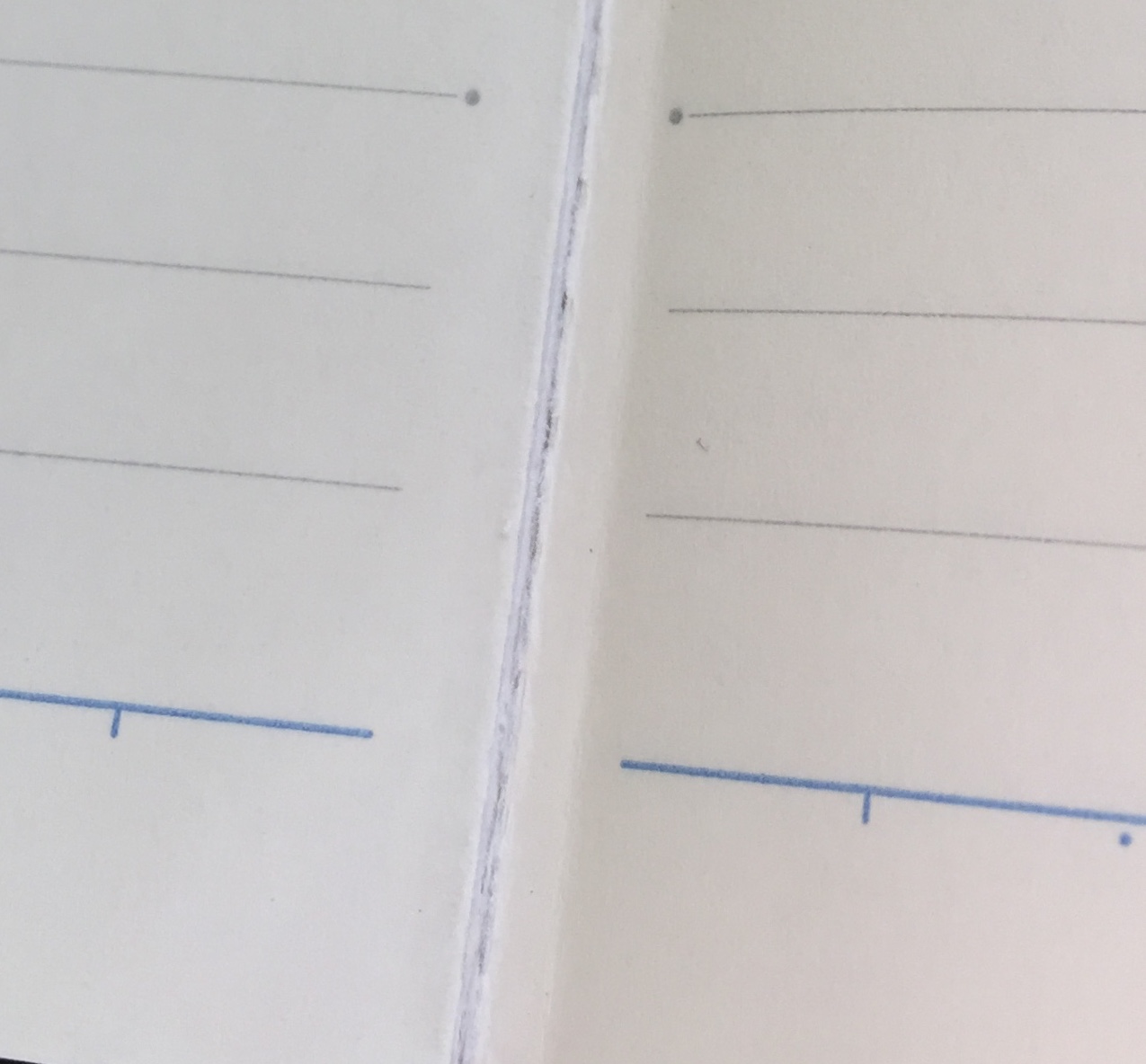
The model I’ve been using contains ruling at 6 mm spacings, with contains additional 7 mm markings along the top and bottom lines for reference in the vertical plane.

2016-07-10 campus_spine_blog_postOverall I am very impressed with this thin, light, high performing notebook, and if there were any negatives, it is probably only the binding, which is beginning to stretch a little in the initial pages. I suspect I have contributed to this by regularly (and unnecessarily) bending the book back on itself to then lay it flat for writing — probably not the best habit given running the heel of my hand up the open book would achieve the same result. Coming in at 60 pages, I imagine most will have this notebook filled and move on before any real issues are seen with the binding, however it is perhaps best to take at least a little care.

I’ll certainly be buying from the Campus line of notebooks in the future, and if you haven’t already — I’d highly recommend at least trying them out. For the princely sum of AU$2.80, there is not a lot to lose, and as far as I’m concerned is quite the bargain for what you get.

Side Note: The design and evolution of the Campus series of notebooks is also an interesting story.

The Complete Report Pad — AU$2.80 Daiso

2016-07-10 reporter_cover_blog_postThis particular purchase was driven by the need for a “correspondence” notebook or notepad which was fountain pen friendly, contained tear off sheets, and was a little larger than an A5 Rhodia No 16 notepad.

The specific reason for this being I write a good portion of the letters I send during my lunch break, and often do so sitting at the bar of my favourite cafe in the CBD. Said bar is fairly narrow from front to back, and not therefore suited to the Rhodia A4 sized pad I had been using. Having resorted to the A5-sized Rhodia No 16 instead, ideally I wanted something in between to fill the void, with a B5 sized notepad was of course the way to go.

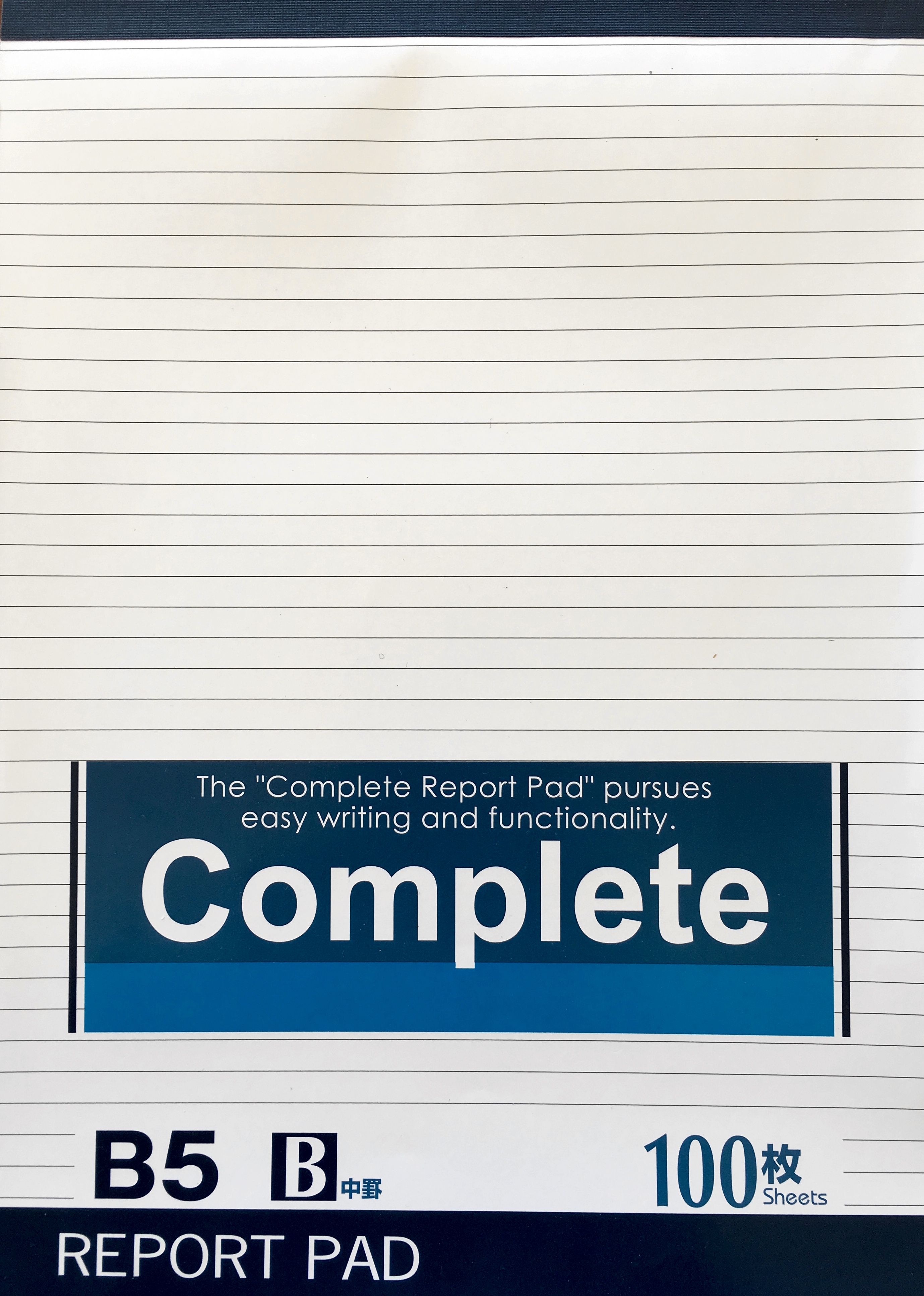
The Complete Report Pad is an Indonesian made B5 tablet style notepad sold through Daiso, and as noted above — for a bargain basement price.

The top binding is again glue with tape reinforcing, and allows straightforward tearing of sheets from the pad once completed. The front cover is your standard glossy, slightly thicker paper stock, with the rear thickened cardboard. Both do their respective roles as intended, however the front cover is not designed for very rough use.

Of course the most important aspect is the paper. Ruled at 6 mm spacings, the pages also sport a title bar along the top, containing pre-printed Date and No. fields. There are also 6 mm divisions marked at across the top and bottom-most line of each page. The ruling and printed divisions/fields appear on the front facing side of the page only, with the intention of single-sided use.

I’ve not been able to find specifications as far as the weight of the paper is concerned, however a reasonable estimate would be in the order of 70 gsm or so. Whether this is correct or not I am not sure, however the performance is certainly comparable to papers around that type of weight.

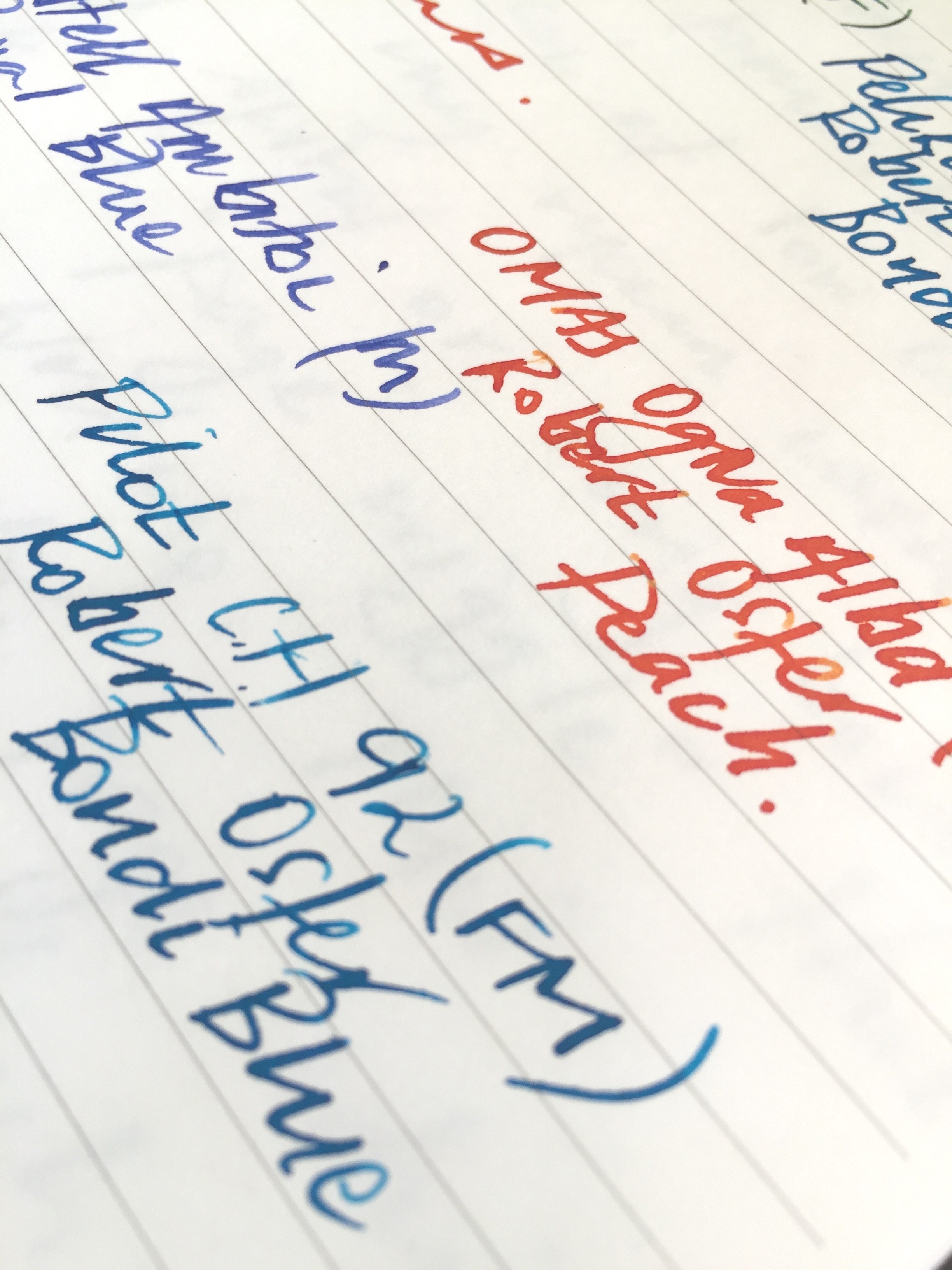
2016-07-10 reporter_close_blog_postWriting performance is very, very good for the price you pay for this notepad. It is not dissimilar to the Kokuyo paper I’ve described above, yet is marginally toothier to the feel. Again I’ve used numerous fountain pen nib types (M and finer) and inks with no problems. A small amount of ghosting with no bleed through; feathering is non-existent; and the overall feel of the paper provides a pleasant writing experience. I’d still describe this paper as being relatively “smooth”, yet of course it is not your Rhodia or Clairefontaine.

There really isn’t too much more to say about this one. For my intended purpose of finding an appropriately sized correspondence notepad, The Complete Report Pad is just about perfect. For the price you can pick these up for, they are exactly the sort of thing to grab a few and leave them in the various places you may jot down a few words or as I do — write a letter.

Wonder if they’ll let me leave a stack on the end of the bar?

Aqua Drops Twist Ring Notebook by Lihit Lab – AU$4.70 Officeworks

2016-07-10 aqua_drops_cover_blog_postHere is where I’ve really upped the ante, with the 30 page Aqua Drops Twist Ring notebook thundering through the register at a cost of AU$4.70 — almost double the price of the two mentioned above. To me it is still considered a budget option, though in the same store you can pick up a Rhodia No 16 Notepad for a list price of AU$7.16. There is also a B5 sized Aqua Drops notebook listed at AU$5.00 — agin for 30 pages.

The choice here though is not necessarily just price, but some of the utility gained in features of the Aqua Drops Twist Ring — namely the fact it is easily refillable, and those refills can be obtained in plain, ruled or grid loose leaf sheets. A packet of A5 refills will set you back AU$2.95, so in effect, once the notebook is purchased you have endless refills at a similar cost to the products above. I’ve mentioned the B5 size, and refills for this size are AU$3.50.

Although the utility of refilling and/or rearranging sheets in this notebook is probably the main drawcard, the writing performance is right up there as well. This is super smooth 70 gsm paper, and any nib or tip will glide happily across its surface. All of your ink colours will shine on the white paper, and while the lines are not overly dominating, aren’t quite as light as the Campus notebook.

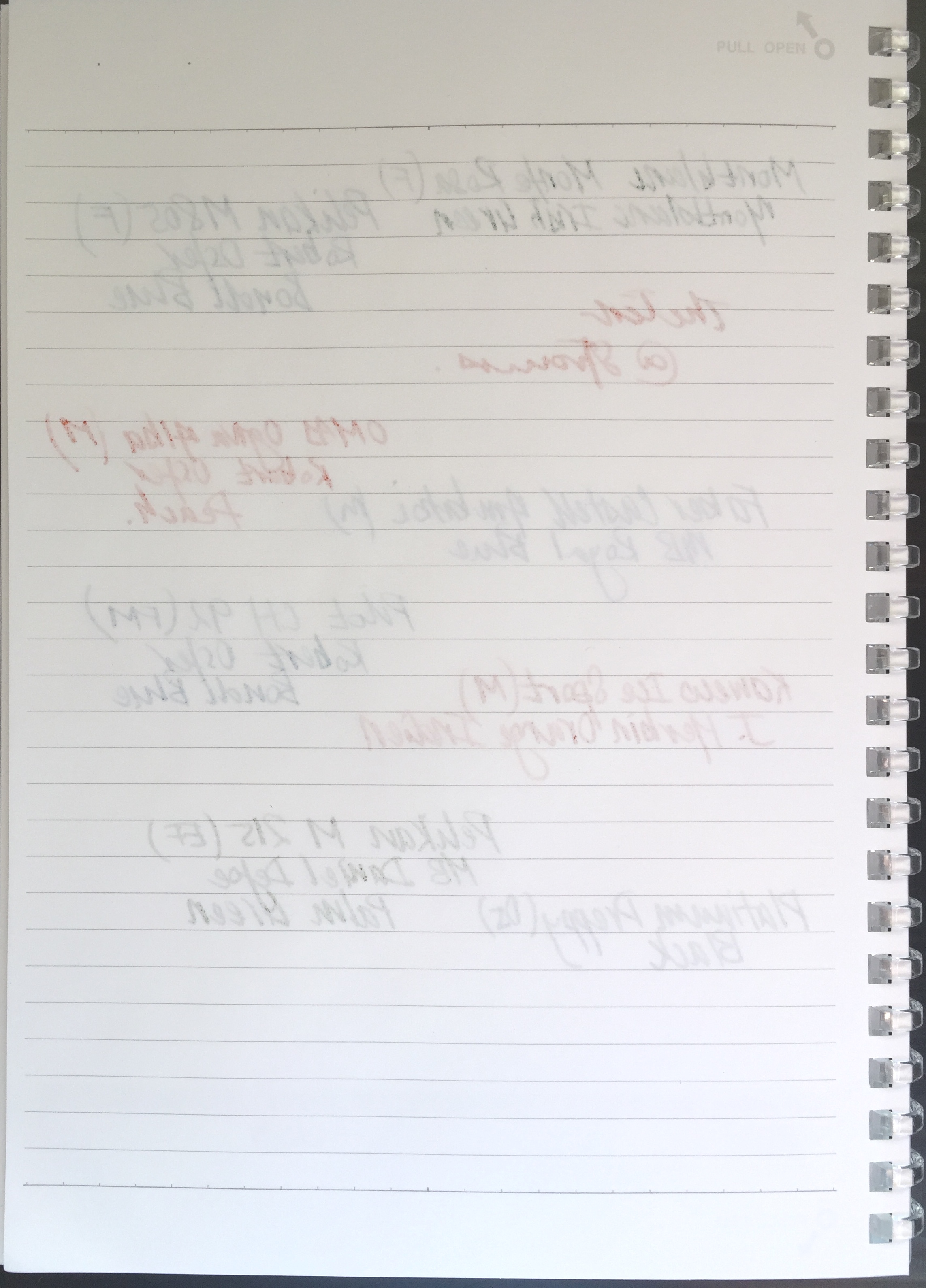
If you are a heavy fountain pen user, and use a lot of broader nibs combined with wetter inks, the paper is probably not going to be up to scratch for double-sided use. However for my medium nibs and finer, the only negative is a little ghosting on the reverse of the page. There is no bleed through or feathering to be seen at this end of the nib spectrum, however my European mediums were right on the cusp of feathering with certain inks.

2016-07-10 aqua_close_blog_post2016-07-10 aqua_reverse_blog_post

The refill system is quite straightforward, with a tug on the top and bottom of the page adjacent to the spine when the notebook is open, popping apart the rings. I’ve not had the product long enough to comment on the longevity of the plastic spirals, however they seem strong enough. Fatigue with repeated use may perhaps be a factor, though equally it may not. Being circular in shape, the rings feel quite strong, however I wonder about something like a heavy textbook being dropped on the spirals — which I guess you’d never know until it happened.

My other main quibble, which isn’t unique to this particular product — more so with spiral bound notebooks in general, is the inevitable “page wiggle” which occurs while I’m writing. Unless the pages are a fairly tight fit on the binding, which tolerances generally prevent — I find myself needing to hold the page steady rather than simply resting my free hand on or beside the notebook. Not a big deal however I do find this a little annoying to constantly do.

With a packet of grid refills, I’m planning on using this as a recording notebook for my coffee roasting. Perfect.

Three new notebooks — budget intact

Although this post is not intended to be a head to head comparison of the three products I have described above, I have certainly come out of the experience a little more knowledgeable on the merits of each. Also worth mentioning in addition to those above, is the “X” branded spiral notebook from Officeworks which I have previously written about.

To be honest, I would buy and use all three again. One thing is for certain though, the B5 Complete Report Pad is now my default for written correspondence. I love the size, the paper is great, and sheets tear off with ease. A definite ongoing purchase when the current one runs out.

Of the other two, the Campus Notebook slightly edges out the Aqua Drops, and appeals mainly based on the quality of paper and overall lightweight yet quality construction. The Aqua Drops notebook series I consider a solid option, and for me, would be an ideal “project” notebook, as the option to add, subtract, or rearrange pages (of ruled, plain or grid options to boot) is a real positive. A few sketches and notes as part of a project negates the ongoing “page wiggle” issue of prolonged writing sessions, and tends to be where a lot of spiral bound notebooks I try end up.

As I mentioned above, I do find satisfaction in seeking out lower cost stationery options, which, admittedly aren’t always on point, however the three above are great options to try out for yourself. If they don’t suit? Well, I guess you haven’t really lost much in finding out.